
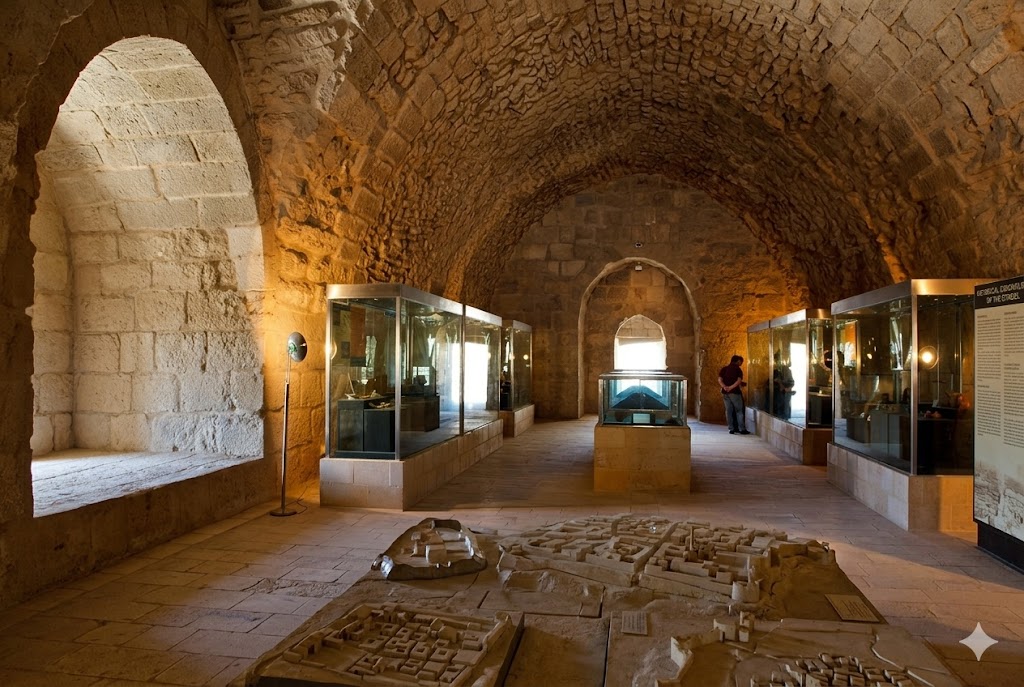
Kerak Archaeological Museum
Inside the historic walls of Karak Castle, the Karak Archaeological Museum offers a journey through thousands of years of history, displaying artifacts from prehistoric times to the Islamic periods and revealing the civilizations that shaped the region.
Inside Kerak Castle
About the Landmark
Museums
Inside the historic walls of Karak Castle, the Karak Archaeological Museum offers a journey through thousands of years of history, displaying artifacts from prehistoric times to the Islamic periods and revealing the civilizations that shaped the region.
Overview
Inside the historic walls of Karak Castle, one of the most significant fortresses in southern Bilad Al-Sham, lies the Karak Archaeological Museum, preserving thousands of years of the region’s cultural heritage. The museum is more than a collection of artifacts; it is a journey through time, presenting the history of Karak from prehistoric periods through the Moabite, Nabataean, Roman, Byzantine, and Islamic eras.
Museum History
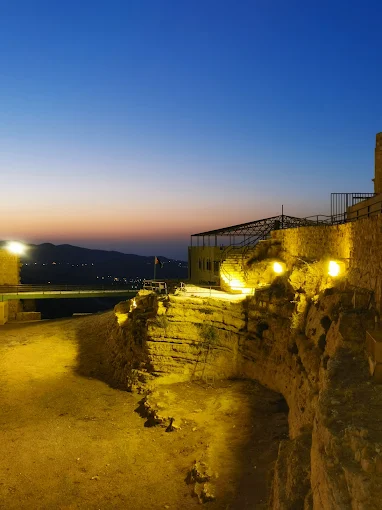
The Karak Archaeological Museum was established inside Karak Castle and opened in 1980. Its location within the castle gives visitors a unique experience where archaeological collections are displayed within a historic military monument. The museum’s main section occupies a vaulted hall inside the castle, a space that was previously used, including during the Mamluk period, as accommodation for soldiers.
The museum was created to preserve and present archaeological discoveries from Karak and the surrounding regions, connecting the history of the fortress with the civilizations that developed around it.
Collections and Exhibits
The museum houses archaeological collections dating from the Neolithic period to the late Islamic periods. Its displays include pottery, tools, coins, inscriptions, glass vessels, and other artifacts that reflect different aspects of ancient life.
Among the notable collections are artifacts from Bab edh-Dhra', famous for its Bronze Age burials, Iron Age II objects from Busayra, Byzantine glass vessels and inscriptions, as well as Nabataean and Roman artifacts from sites such as Rabbah and Al-Qasr.
Cultural and Historical Significance
The Karak Archaeological Museum serves as a compact record of the civilizations that shaped the region throughout history. It provides visitors with a deeper understanding of Karak’s cultural development and highlights the importance of the area as a crossroads of ancient civilizations.
Beyond displaying artifacts, the museum plays an important role in preserving archaeological heritage and introducing visitors to the historical identity of Karak.
Visitor Experience
A visit to the museum begins with exploring the impressive architecture of Karak Castle before entering halls filled with stories from thousands of years of human history. Each artifact offers a glimpse into the daily life, beliefs, and achievements of communities that once inhabited the region.
The museum can be combined with a full visit to Karak Castle and the surrounding historic attractions, creating an experience that brings together military architecture, archaeology, and cultural heritage.
Good to Know
- Located inside Karak Castle.
- Opened in 1980.
- Displays artifacts from prehistoric times to the late Islamic periods.
- Includes collections from important archaeological sites such as Bab edh-Dhra', Rabbah, Al-Qasr, and Busayra.
- One of the main museums documenting the history of Karak Governorate.
Landmark Photos
Click any image to update the main preview, or open it full size.
Kerak Archaeological Museum
Click image to enlarge
Gallery images
Scroll horizontally to view all photos
Location on Google Maps
Inside Kerak Castle
Related Places
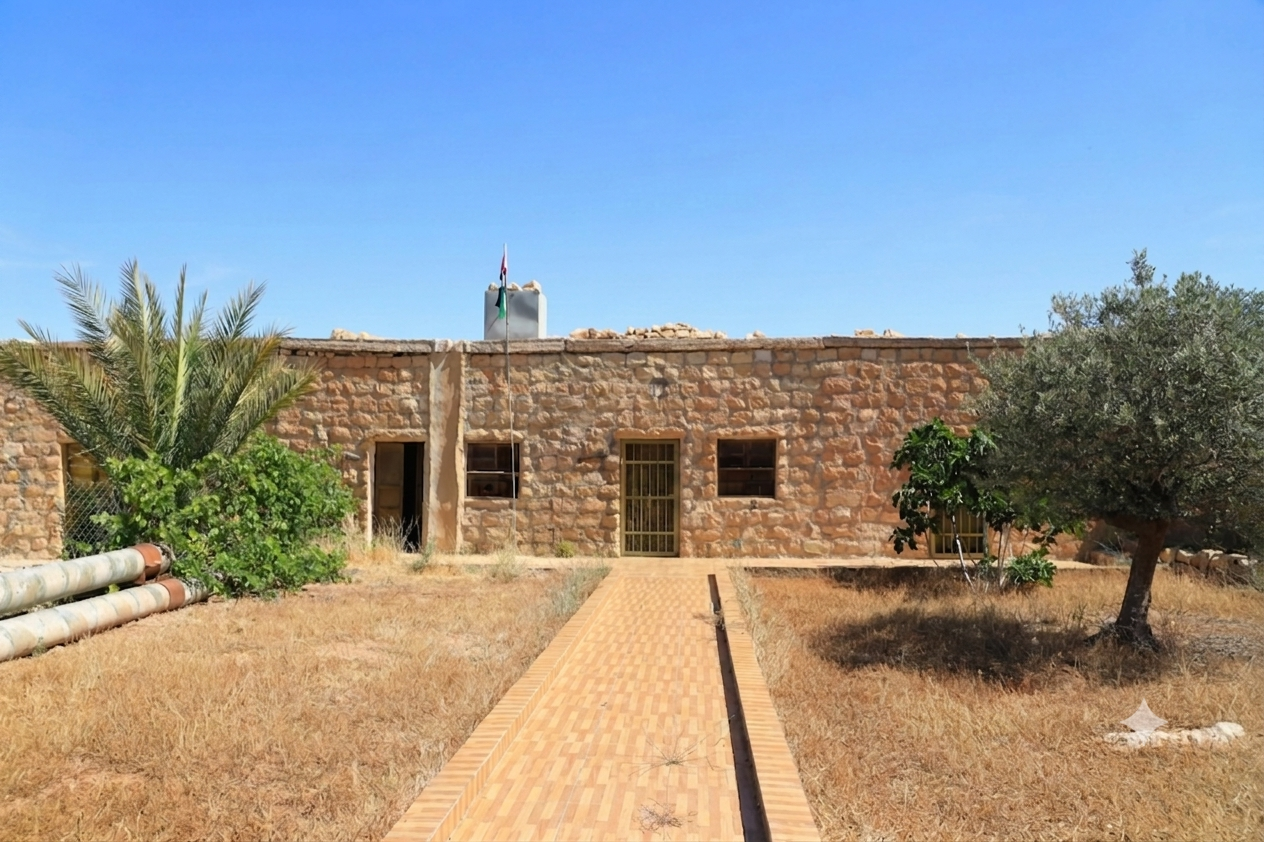
Joza Heritage Museum
In Jouza village, Karak, the Jouza Heritage Museum brings new life to an old school building transformed into a space preserving local memory. Through traditional tools, clothing, and everyday objects, the museum reflects the heritage and social identity of the Karak community.
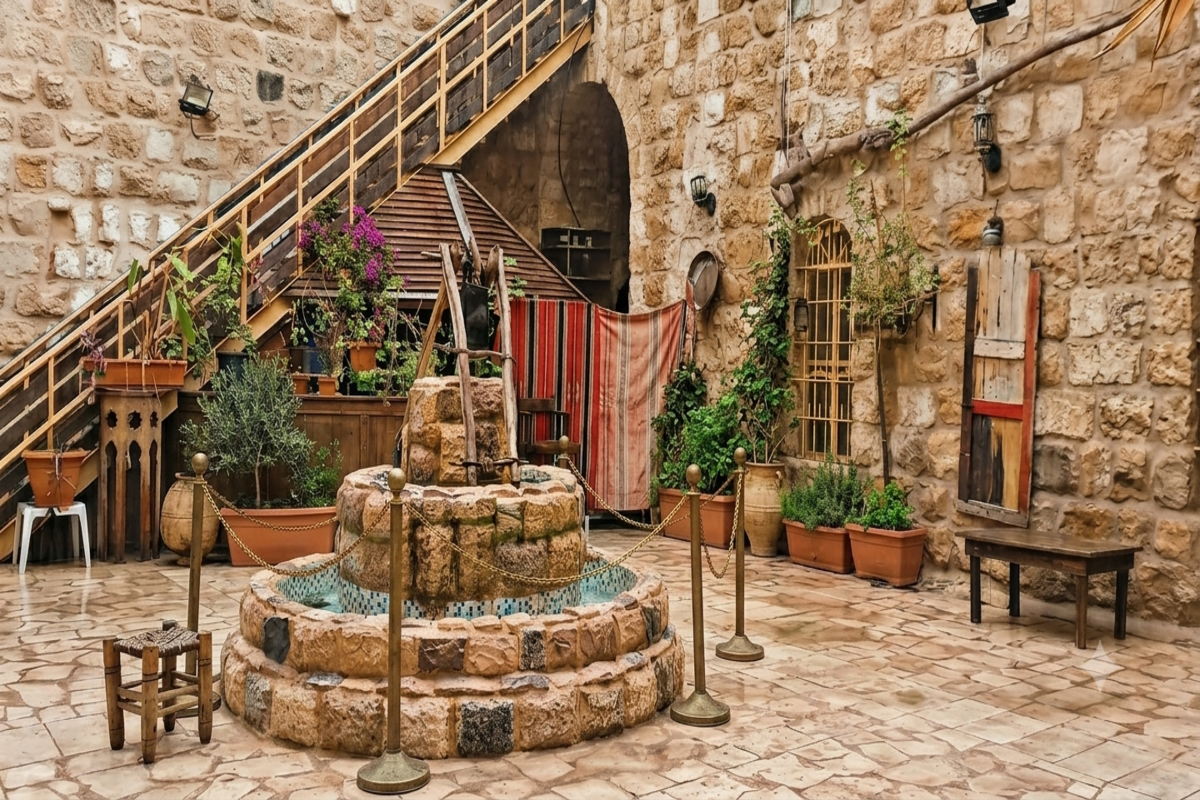
Museum of Folk Life and Heritage
Located in the historic Saraya building near Karak Castle, the Karak Folklore Museum preserves the daily life traditions of the local community through traditional tools, clothing, crafts, and customs, offering visitors a journey into the cultural identity and heritage of Karak.
Nearby Restaurants
3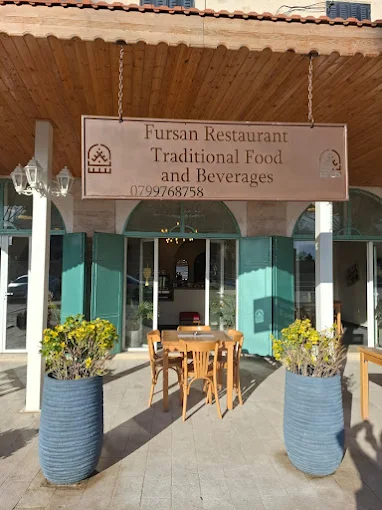
Add this landmark to your trip plan
Use the smart trip planner to design the perfect Karak tour