
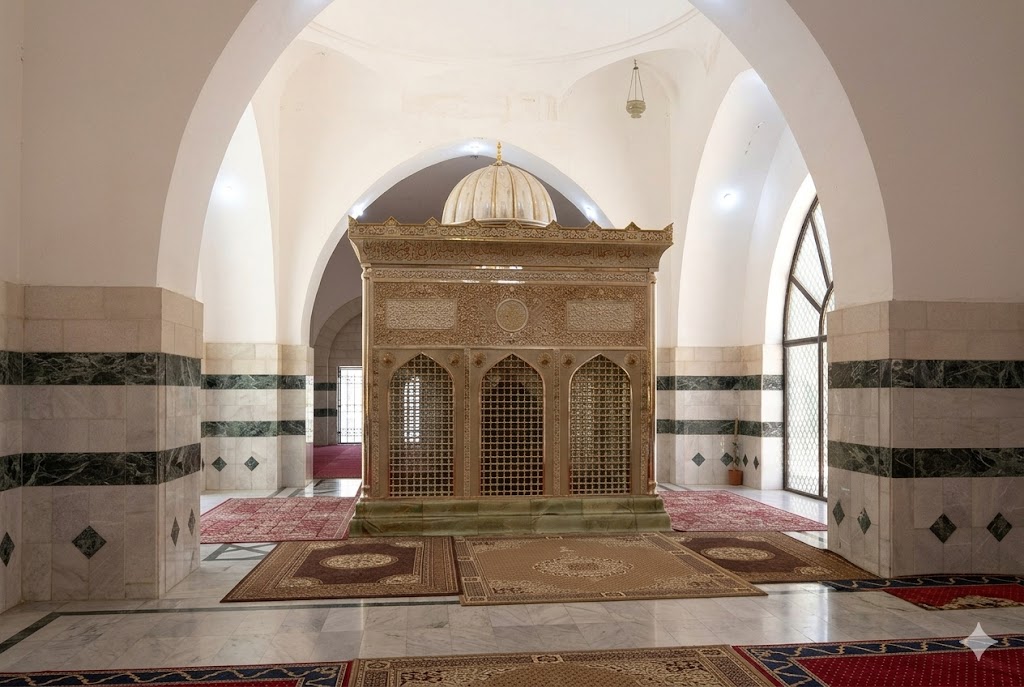
Shrine of Ja'far ibn Abi Talib – Karak
In Al-Mazar Al-Janubi, Karak Governorate, the Shrine of Ja'far ibn Abi Talib preserves the legacy of the Battle of Mu'tah, where spiritual serenity meets the courage and sacrifice of one of Prophet Muhammad's most distinguished companions.
بلدة المزار الجنوبي – شارع المسجد الكبير / مجمع مسجد جعفر بن أبي طالب
About the Landmark
Religious Sites
In Al-Mazar Al-Janubi, Karak Governorate, the Shrine of Ja'far ibn Abi Talib preserves the legacy of the Battle of Mu'tah, where spiritual serenity meets the courage and sacrifice of one of Prophet Muhammad's most distinguished companions.
Overview
Located in the town of Al-Mazar Al-Janubi in Karak Governorate, the Shrine of Ja'far ibn Abi Talib is one of Jordan's most significant Islamic landmarks. Closely associated with the Battle of Mu'tah, the shrine attracts visitors from across Jordan and the wider Muslim world, offering a place where faith, history, and remembrance come together.
Through History
The shrine is traditionally dedicated to Ja'far ibn Abi Talib, the cousin of Prophet Muhammad ﷺ and one of the earliest Muslims, who was martyred during the Battle of Mu'tah in 629 CE (8 AH) after carrying the Muslim banner with exceptional courage. The site received continuous attention throughout the Ayyubid and Mamluk periods before undergoing a comprehensive redevelopment in 1997, preserving its religious importance while accommodating growing numbers of visitors.
Architecture and Identity
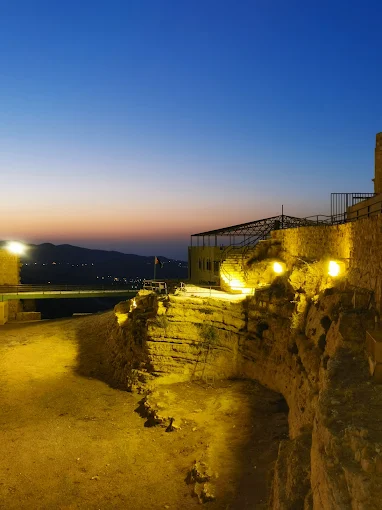
The shrine forms part of a modern religious complex built with locally quarried stone that reflects the architectural character of Karak. Covered walkways connect the shrine with the mosque while preserving the sanctity of the burial site. Domes and traditional Islamic architectural elements create a dignified atmosphere that complements the spiritual significance of the المكان.
Its Significance in Karak
The Shrine of Ja'far ibn Abi Talib is one of Karak's most important religious landmarks and a central stop on the governorate's Islamic heritage trail. It commemorates one of the most respected companions of Prophet Muhammad ﷺ and symbolizes the values of courage, sacrifice, and steadfast faith that continue to inspire visitors today.
Visitor Experience
Visitors are welcomed into a peaceful setting where the atmosphere encourages reflection on the events of the Battle of Mu'tah and the life of Ja'far ibn Abi Talib. The well-organized complex provides a respectful environment for prayer and contemplation. Many visitors also combine their trip with the nearby shrines of Zayd ibn Harithah and Abdullah ibn Rawahah, creating a meaningful journey through one of the most important chapters of early Islamic history.
Good to Know
- The shrine is located in Al-Mazar Al-Janubi, Karak Governorate.
- It is dedicated to Ja'far ibn Abi Talib, a cousin of Prophet Muhammad ﷺ.
- The site is associated with the Battle of Mu'tah, fought in 629 CE (8 AH).
- The religious complex was comprehensively redeveloped in 1997.
- It is one of Jordan's most important Islamic pilgrimage and heritage sites.
Facilities & Services
Available services and facilities for this landmark
Landmark Photos
Click any image to update the main preview, or open it full size.
Shrine of Ja'far ibn Abi Talib – Karak
Click image to enlarge
Gallery images
Scroll horizontally to view all photos
Location on Google Maps
بلدة المزار الجنوبي – شارع المسجد الكبير / مجمع مسجد جعفر بن أبي طالب
Related Places
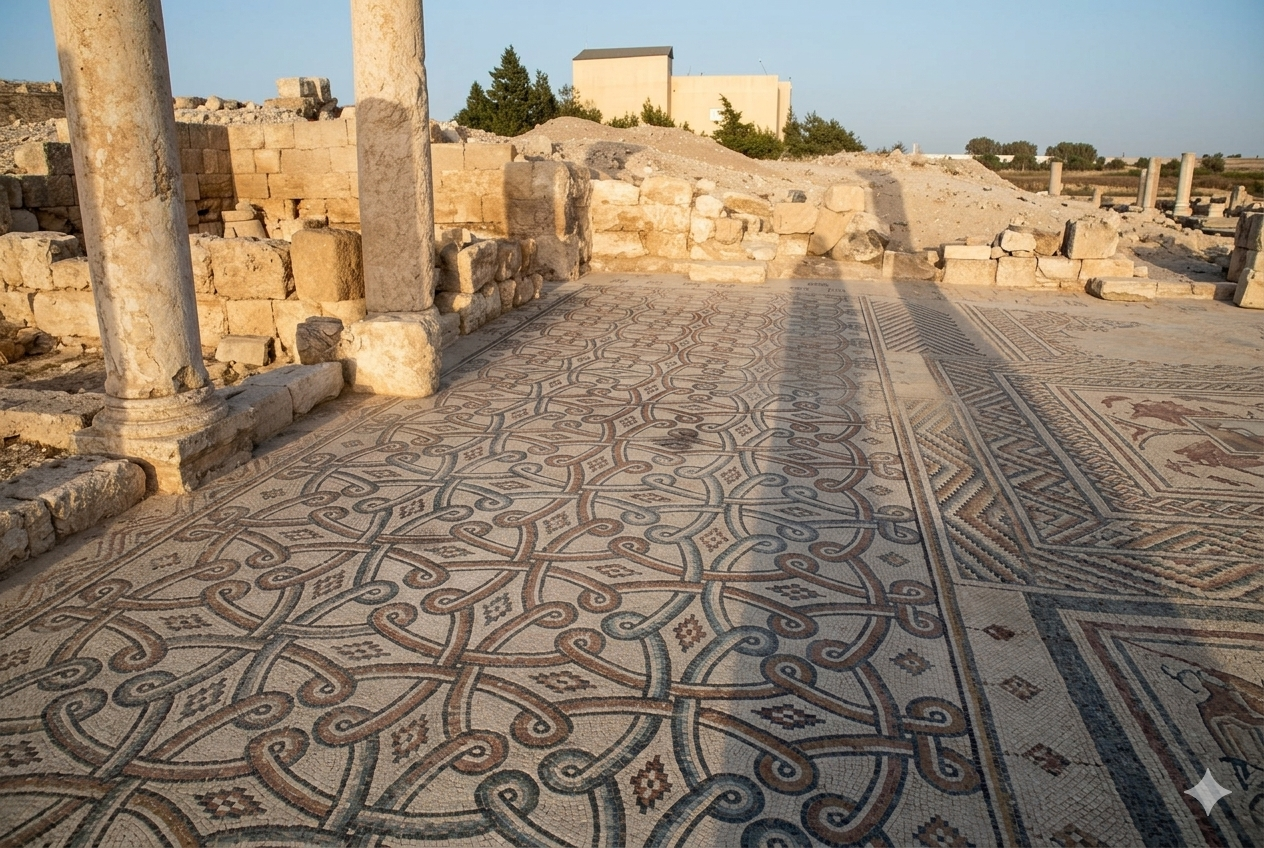
Mutah Byzantine Church
In the village of Dhat Ras, south of Karak, the remains of a Byzantine church reflect the region's flourishing Christian heritage during the sixth century. Its archaeological remains preserve an important chapter of Jordan's rich historical legacy.
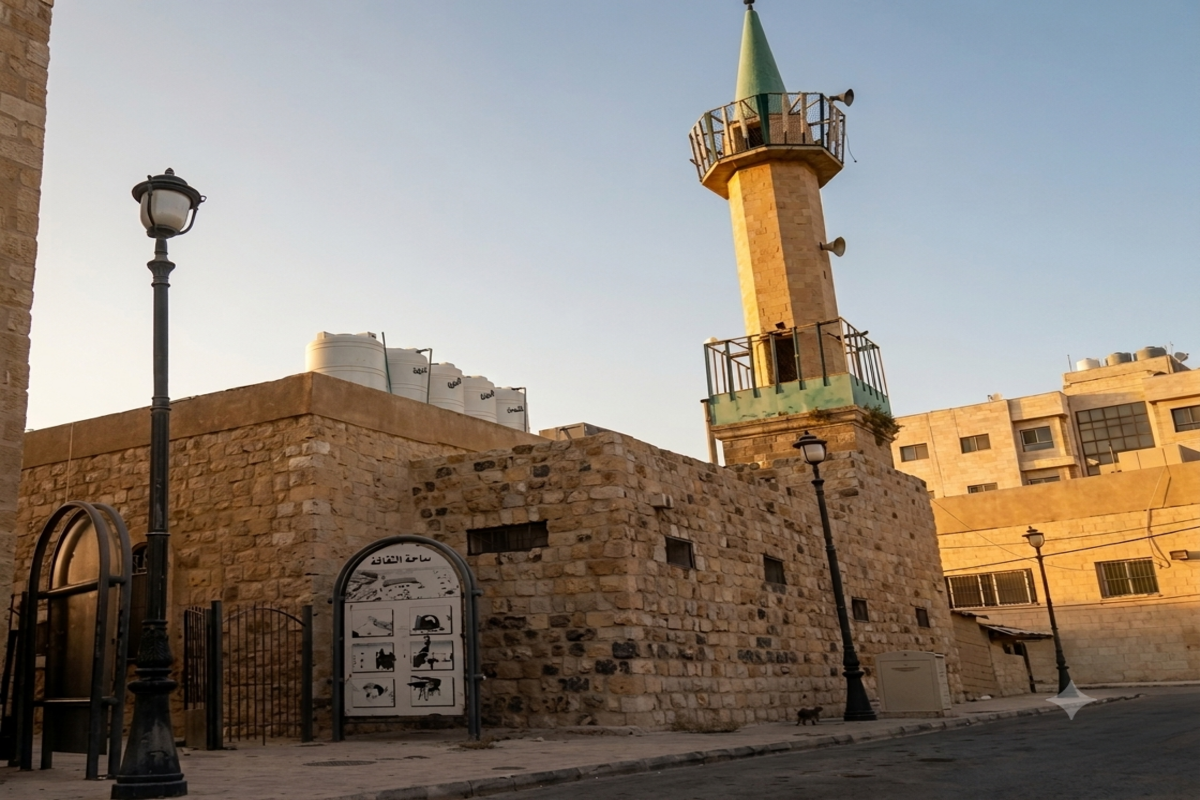
Al-Hamidi Mosque
In the heart of Old Karak, between Karak Castle and the Ottoman Saraya, Al-Hamidi Mosque stands as a symbol of the city's Ottoman heritage, blending spiritual tranquility with historic architecture.
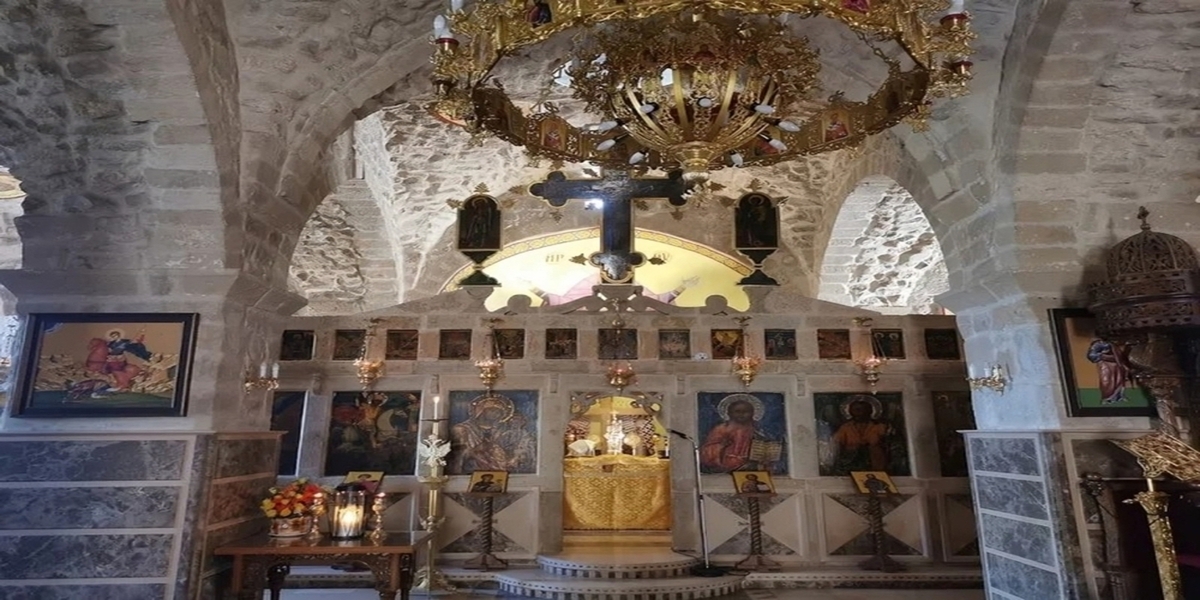
The Church of the Nazarene
In the city of Karak, the Church of the Nazarene stands as a symbol of faith and community service, where spiritual devotion, education, and humanitarian work reflect the city's long tradition of coexistence.
Nearby Restaurants
3
Add this landmark to your trip plan
Use the smart trip planner to design the perfect Karak tour