
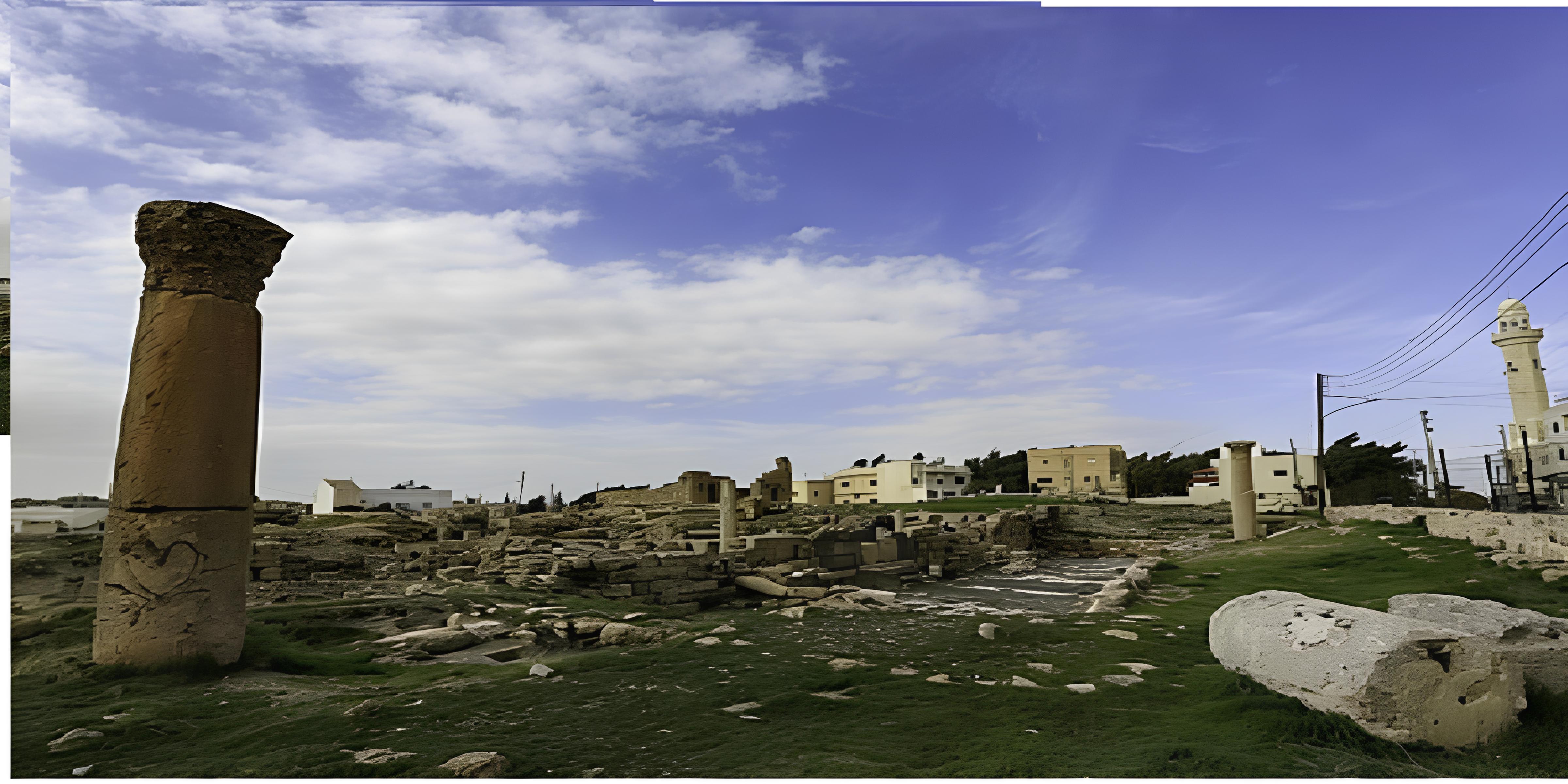
Al-Rabba
On the northern highlands of Karak, the ancient city of Rabbath Moab stands as a testament to thousands of years of civilization. From the Moabite Kingdom to Roman Areopolis and later Byzantine and Islamic periods, its remains reveal a historic city connected to ancient routes and the cultural development of southern Jordan.
بلدة الربة، لواء القصر، محافظة الكرك، الأردن
About the Landmark
Archaeological Sites
On the northern highlands of Karak, the ancient city of Rabbath Moab stands as a testament to thousands of years of civilization. From the Moabite Kingdom to Roman Areopolis and later Byzantine and Islamic periods, its remains reveal a historic city connected to ancient routes and the cultural development of southern Jordan.
Overview
In northern Karak Governorate, near the historic King’s Highway, lies the ancient city of Rabbath Moab, one of the region’s most significant archaeological sites reflecting thousands of years of continuous human history. The city represents a remarkable example of cultural continuity, where different civilizations flourished and left their marks from the ancient Moabite period through the Roman, Byzantine, and later Islamic eras.
Through History
Rabbath Moab has deep roots in the history of the Moabite Kingdom, one of the important ancient powers in southern Levant. During the Roman period, the city became known as Areopolis and developed into an important administrative and religious center. Its significance continued during the Byzantine period, when it remained a prosperous urban settlement with important architectural and religious structures.
The city’s strategic location contributed to its growth, as it was positioned near ancient routes connecting different parts of southern Levant, while benefiting from the agricultural lands surrounding it.
Architecture and Cultural Identity
The remains of Rabbath Moab reflect the diverse civilizations that shaped the city throughout history. Archaeological discoveries include carved stone elements, columns, architectural remains, and structures dating mainly to the Roman and Byzantine periods. Water systems and remains related to daily life also demonstrate the ability of ancient communities to manage resources and adapt to their environment.
Historical Significance
Rabbath Moab represents one of Karak’s most important historical cities because it preserves multiple layers of Jordan’s ancient heritage in one location. The site is more than a collection of ruins; it is a testimony to the political, economic, and cultural transformations that shaped southern Jordan over centuries.
Visitor Experience
A visit to Rabbath Moab offers the opportunity to walk among the remains of an ancient city that once played an important role in the region. Surrounded by the landscapes of northern Karak, visitors can explore ancient architectural elements while experiencing the connection between history and nature. It is an ideal destination for those seeking to discover the deeper cultural heritage of Karak beyond its well-known landmarks.
Good to Know
- Rabbath Moab is located in Al-Qasr District, Karak Governorate.
- The city was known as Areopolis during the Roman period.
- Its history extends from the Moabite Kingdom through the Roman, Byzantine, and Islamic periods.
- It is located near the historic King’s Highway.
- The site contains archaeological remains reflecting different historical eras.
- It is an important site for understanding the ancient civilizations of southern Jordan.
Facilities & Services
Available services and facilities for this landmark
Landmark Photos
Click any image to update the main preview, or open it full size.
Al-Rabba
Click image to enlarge
Gallery images
Scroll horizontally to view all photos
Location on Google Maps
بلدة الربة، لواء القصر، محافظة الكرك، الأردن
Related Places
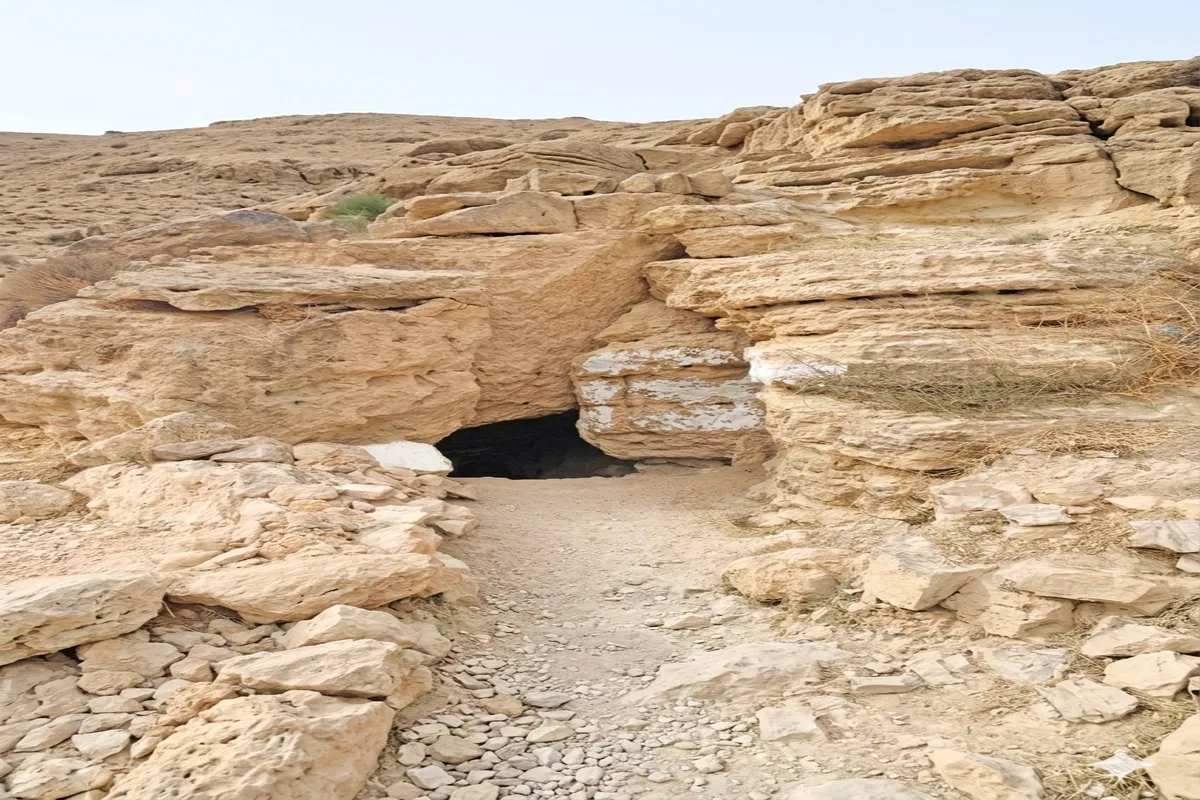
Well Of Midian
In the village of Midian, south of Karak, the Well of Midian stands as a peaceful landmark deeply connected to the traditional story of Prophet Moses. Surrounded by ancient stone houses and remarkably tranquil waters, it offers visitors a journey through faith, history, and timeless heritage.
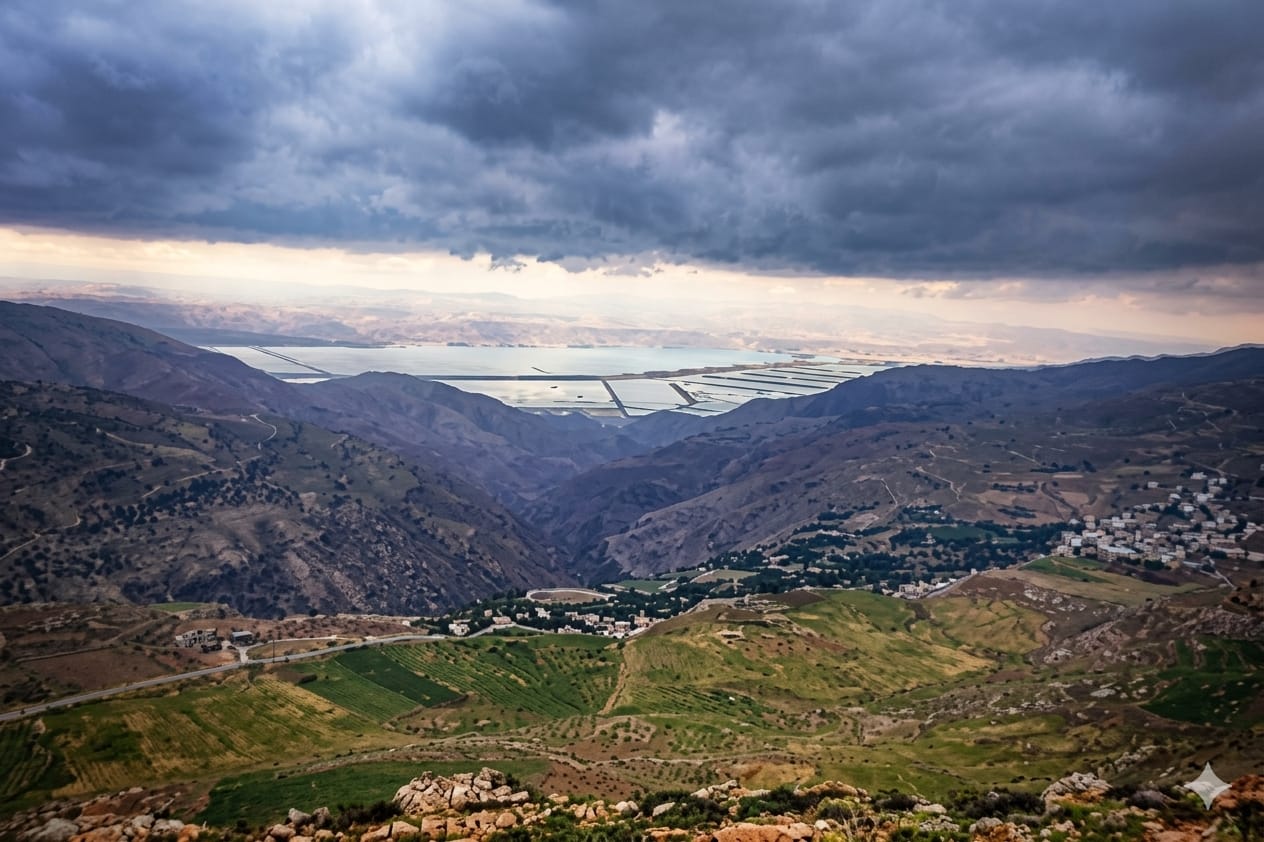
أم القرى... عراق الكرك
Nestled among the western hills of Karak, Umm Al-Qura (Iraq Al-Karak) preserves thousands of years of history. Ancient ruins, natural springs, archaeological remains, and Ottoman watermills come together to offer visitors a journey through the region's rich cultural heritage.
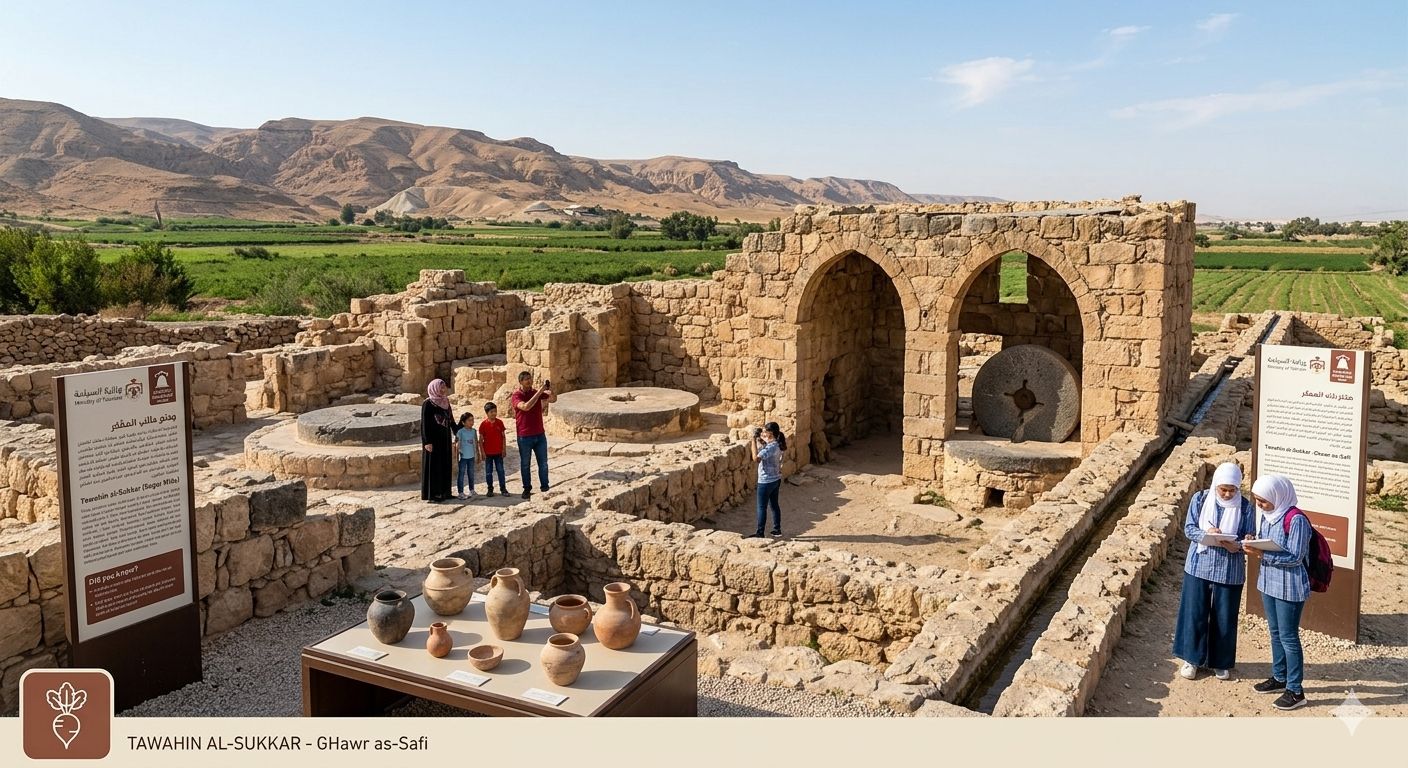
Sugar Mills
Amid the fertile landscapes of Southern Ghor, the Sugar Mills reveal a unique chapter of Karak’s history, where sugar production flourished during the Ayyubid and Mamluk periods. The remains of water channels and stone mills stand as evidence of an advanced industry built around agriculture and water management centuries ago.
Nearby Restaurants
3

Add this landmark to your trip plan
Use the smart trip planner to design the perfect Karak tour