Story Details
Story content as edited from the admin panel.
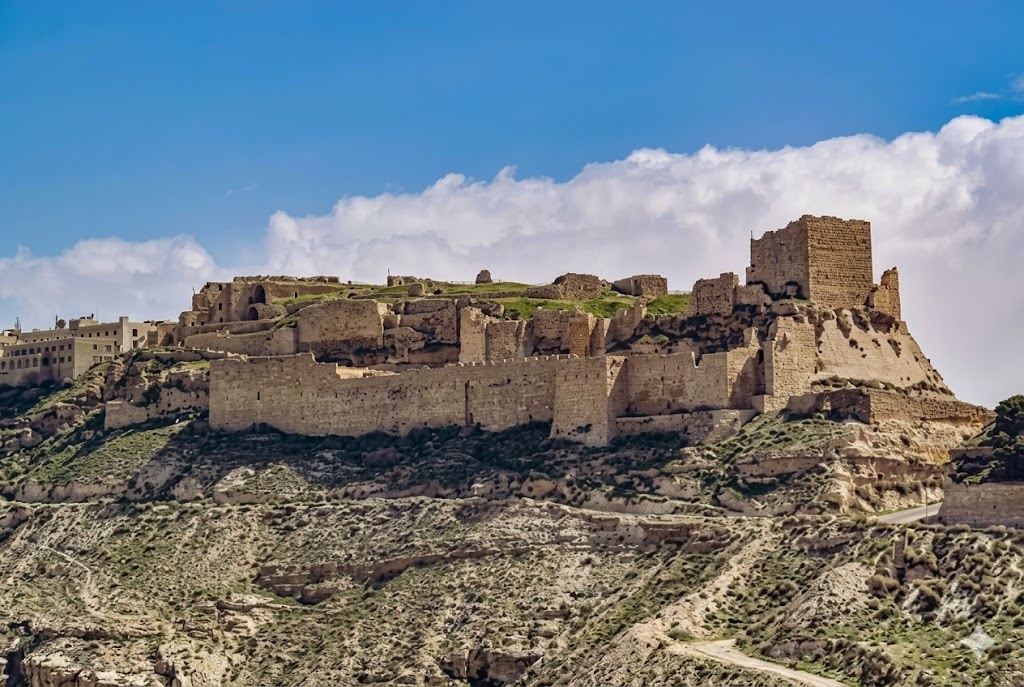
In a city shaped by wars and mountain winds alike, the walls of Kerak Castle were never merely stones surrounding an old settlement. They were the city’s first line of defense and the final witness to centuries of struggle, survival, and resilience.
Today, visitors walking near the fortress may see the walls as part of the rocky landscape itself. Yet behind those stones lie countless untold stories of fear, courage, and daily life lived through generations.
The walls of Karak were built to resist the impossible.
Because of the city’s elevated location, Karak already possessed natural protection. Still, massive defensive walls, towers, and narrow passageways were carefully constructed to make invasion nearly impossible. Guards stood atop the fortifications watching the roads leading from the Levant, Jerusalem, and the Arabian Peninsula.
But the stones were never truly silent.
During cold nights, guards lit fires on the towers to warn of approaching armies or caravans. Horns echoed through the valleys whenever danger appeared, alerting the people of the city to prepare for siege or battle.
Local stories say that residents sometimes slept to the sounds of stones striking the walls during attacks, while women and children waited anxiously inside their homes, uncertain whether dawn would bring peace or destruction.
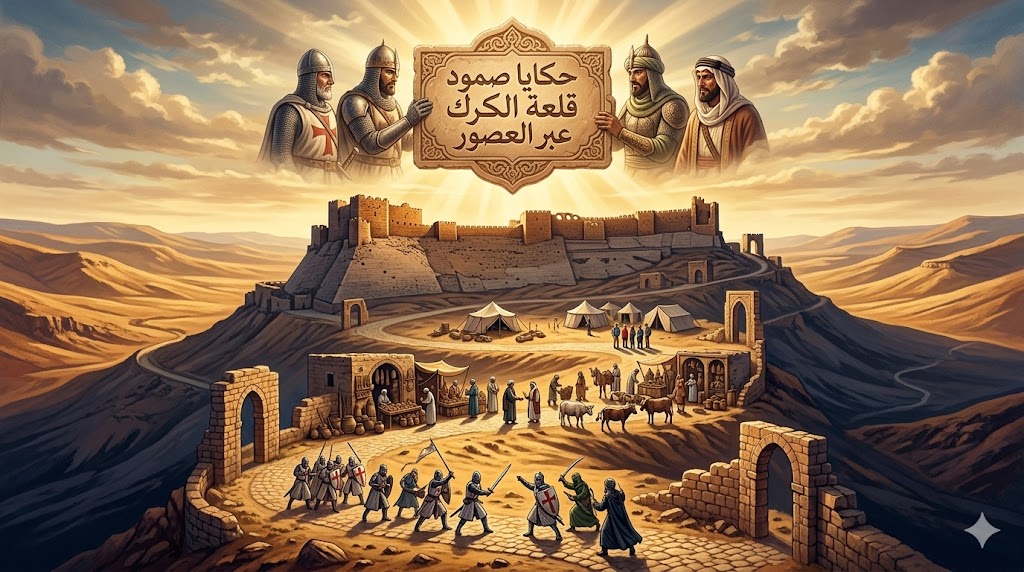
The walls became especially famous during the Crusader conflicts, when Karak endured repeated sieges. Soldiers defended the fortress from above using arrows and swords while attackers attempted to break gates and climb the walls below.
Yet Karak was never known for surrender.
Even during times of hunger and limited water supplies, the towering walls gave people hope that survival remained possible.
Legends also speak of hidden passages within the walls, used secretly to transport food, messages, and supplies during sieges. Some believe concealed doors once existed among the rocks, known only to local defenders.
As centuries passed, the walls became more than military structures. Children played beside them, merchants walked beneath them, and caravans passed in their shadow. The stones silently witnessed both celebration and tragedy throughout the city’s history.
Even earthquakes failed to erase them completely.
Whenever parts of the walls cracked or collapsed, the people of Karak rebuilt them again, believing the walls represented the endurance of the city itself.
Today, at sunset, when golden light touches the ancient stones, visitors often feel as though the past still lives there — in the echoes of guards, horses, and footsteps from long ago.
The walls of Karak are not merely ruins.
They are the story of a city that learned how to endure through every age.