Story Details
Story content as edited from the admin panel.
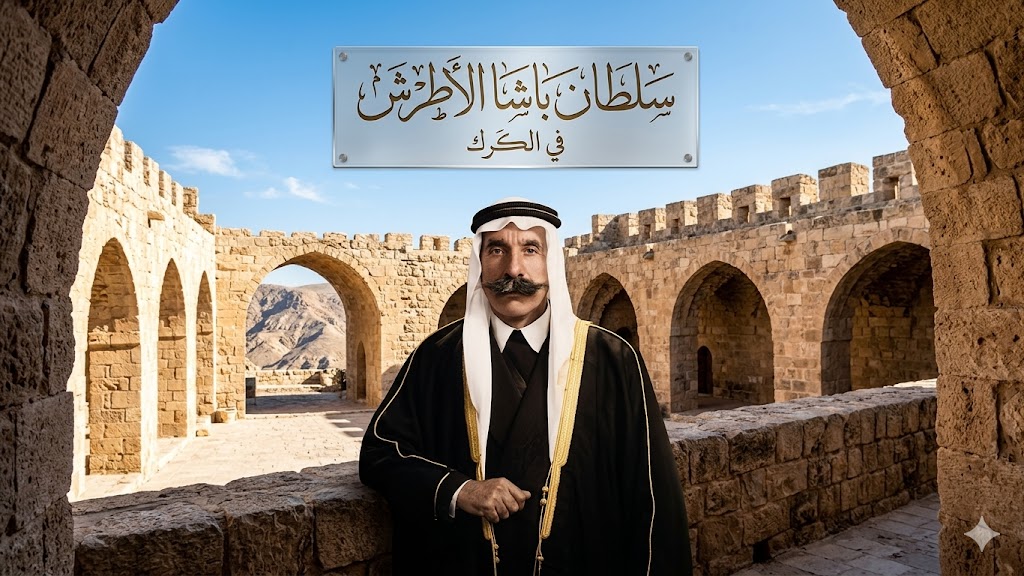
At a time when the Levant was shaken by revolutions, Karak was far more than a quiet southern city. It became a refuge for revolutionaries and a safe haven for freedom fighters. Among the stories deeply rooted in its collective memory is the tale of Sultan Pasha Al-Atrash seeking refuge in Karak during the Great Syrian Revolt.
In 1925, the Great Syrian Revolt erupted under the leadership of Sultan Pasha Al-Atrash, who quickly became a symbol of Arab resistance against French colonial rule. The revolution began in Jabal al-Arab and spread across large parts of Syria, becoming one of the most significant Arab uprisings of the twentieth century.
The French authorities recognized the influence and popularity of Sultan Pasha, intensifying their military campaigns to pursue him and his fighters. As battles escalated and conditions became increasingly difficult, Sultan Pasha and several of his companions headed south toward Jordanian territory in search of safety and support.
That is where Karak entered the story.
When Sultan Pasha Al-Atrash arrived in Karak, the people did not treat him as a stranger or political refugee. Instead, they welcomed him as an Arab knight and revolutionary fighting for dignity and freedom. Homes were opened to him and his men despite the political risks involved in sheltering wanted revolutionaries.
Local oral traditions in Karak describe how some old houses within the city became secret meeting places for the revolutionaries, while local men guarded mountain roads and hidden pathways at night to prevent any pursuit or surveillance.
Women also played an important role, preparing food and supplies for the fighters in secrecy, reflecting the spirit of solidarity and generosity for which Karak has long been known.
Sultan Pasha’s stay in Karak was not merely a temporary stop. It left a lasting mark on the city’s memory. He often met with local leaders and residents, speaking about freedom, Arab unity, and resistance to colonialism. To many people of Karak, he represented the ideal Arab hero who refused to surrender despite hardship and exile.
Over time, the story became one of Karak’s most cherished historical narratives, symbolizing the city’s deep connection with Arab nationalist movements and struggles for freedom.
Even today, some residents still recount stories about the places Sultan Pasha is believed to have visited or stayed in. The tale continues to be passed from one generation to another with pride and admiration.
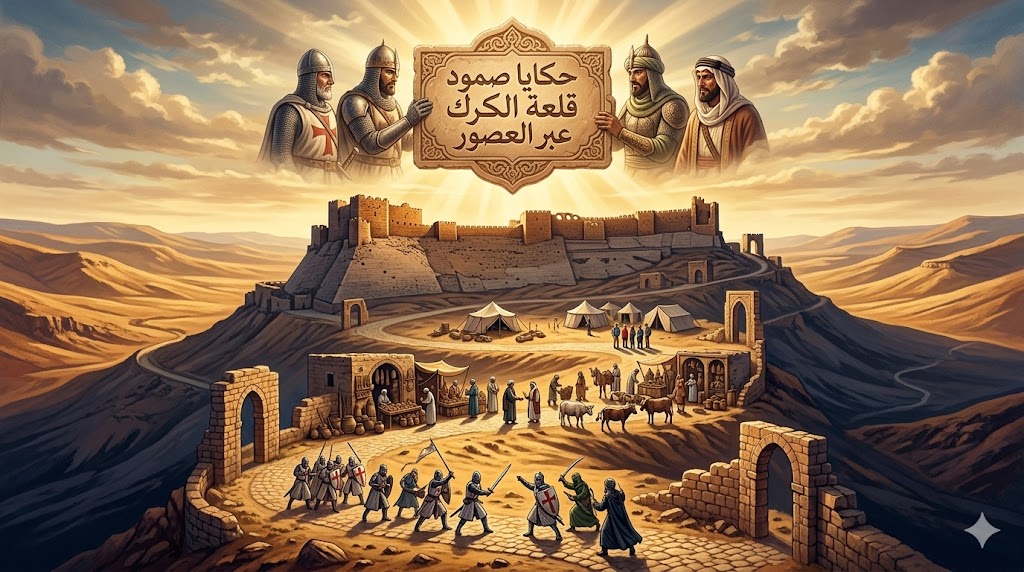
Standing today before Karak Castle, visitors can feel that the city’s stones witnessed not only wars and battles, but also the footsteps of men who carried the dream of freedom across the Arab world.