Rich Heritage
Historic Landmarks
Explore archaeological and heritage sites
Landmark Categories
Discover Karak landmarks and restaurants through organized categories
Archaeological Sites
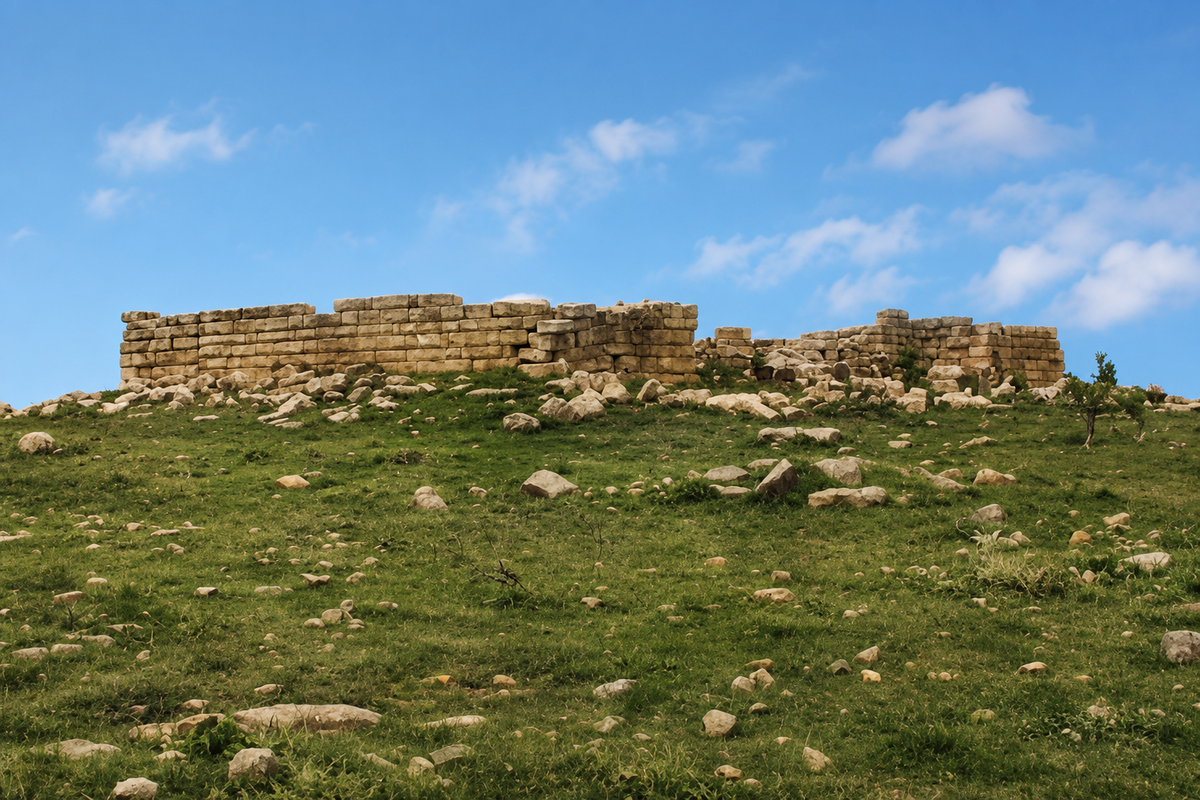
Beit Karam Archaeological Palace
Located in the town of Al-Qasr south of Karak, Beit Karam Archaeological Palace showcases the ingenuity of Nabataean architecture and engineering. Its remains include a palace, a temple, and an advanced water management system, reflecting the region's rich archaeological heritage.
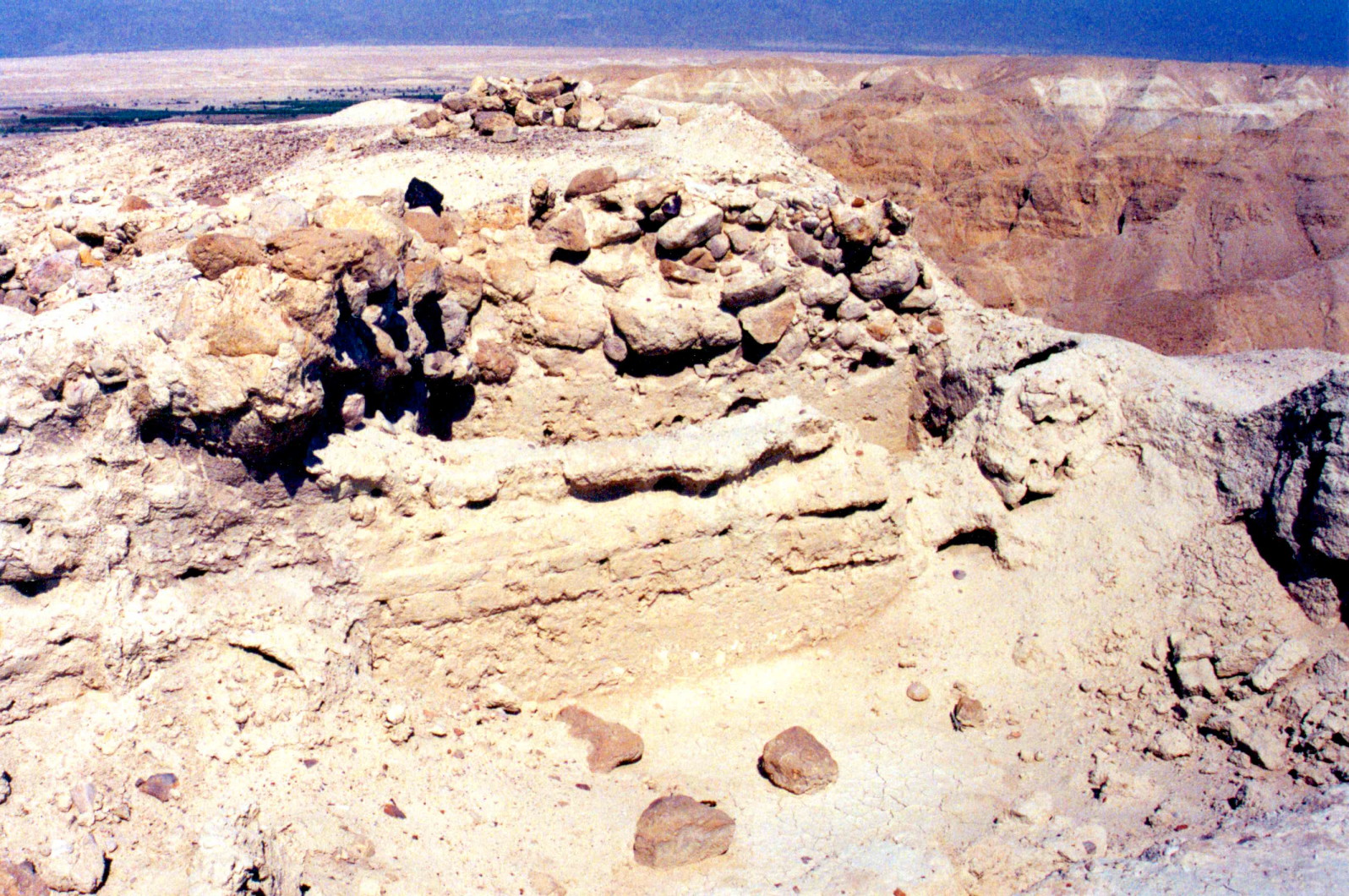
Bab edh-Dhra Cemetery
Nestled in the tranquil plains of Ghor Al-Safi, near the Dead Sea, Bab edh-Dhra' Cemetery invites visitors on a journey more than 5,000 years into the past. Here, you stand not only among ancient tombs, but at one of the earliest chapters of human history in Jordan.
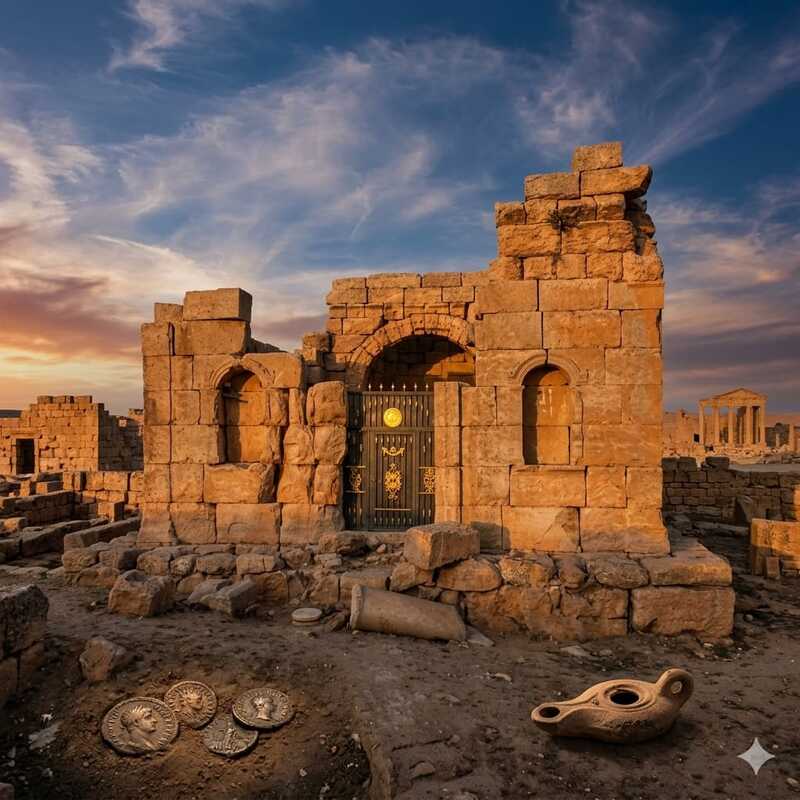
Dhat Ras
Perched on a quiet hill in Dhat Ras, Qasr Al-Bint stands as a remarkable testament to Nabataean craftsmanship dating back more than two thousand years. Blending local legend with history, this ancient temple invites visitors to uncover the enduring legacy of one of Jordan's greatest civilizations.
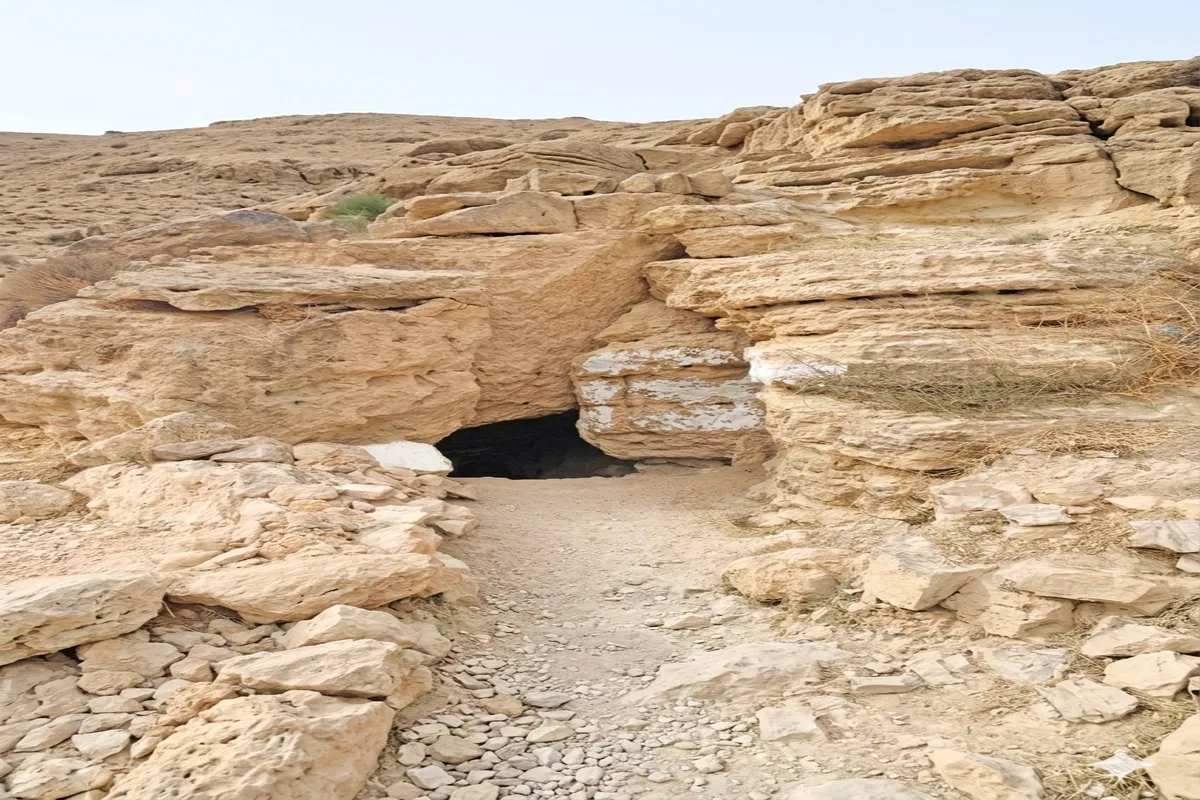
Well Of Midian
In the village of Midian, south of Karak, the Well of Midian stands as a peaceful landmark deeply connected to the traditional story of Prophet Moses. Surrounded by ancient stone houses and remarkably tranquil waters, it offers visitors a journey through faith, history, and timeless heritage.
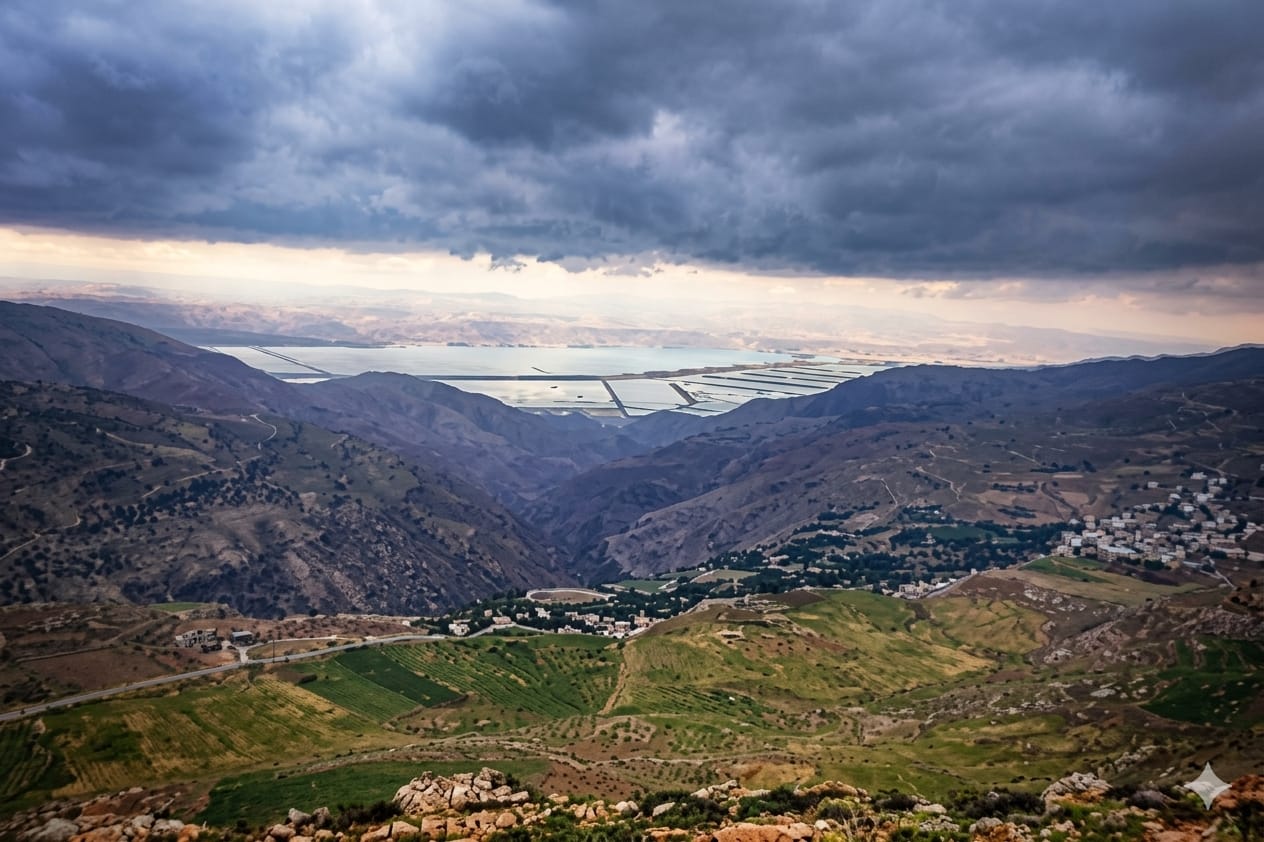
أم القرى... عراق الكرك
Nestled among the western hills of Karak, Umm Al-Qura (Iraq Al-Karak) preserves thousands of years of history. Ancient ruins, natural springs, archaeological remains, and Ottoman watermills come together to offer visitors a journey through the region's rich cultural heritage.
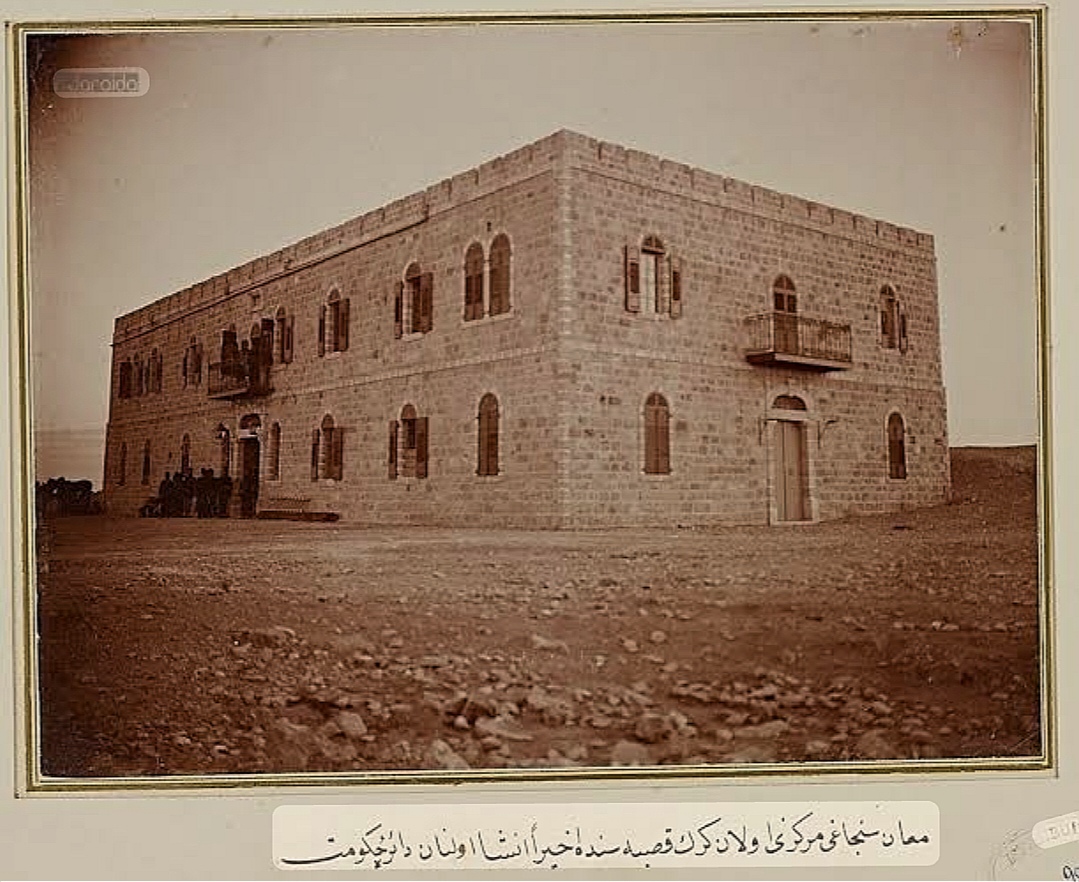
Karak Saraya (Governor’s House) — The Ottoman Administrative Heart of Karak
Located in the heart of Old Karak, the former Government Serai was the administrative center of the city during the Ottoman period, serving as the seat of local government and authority from the late nineteenth century.
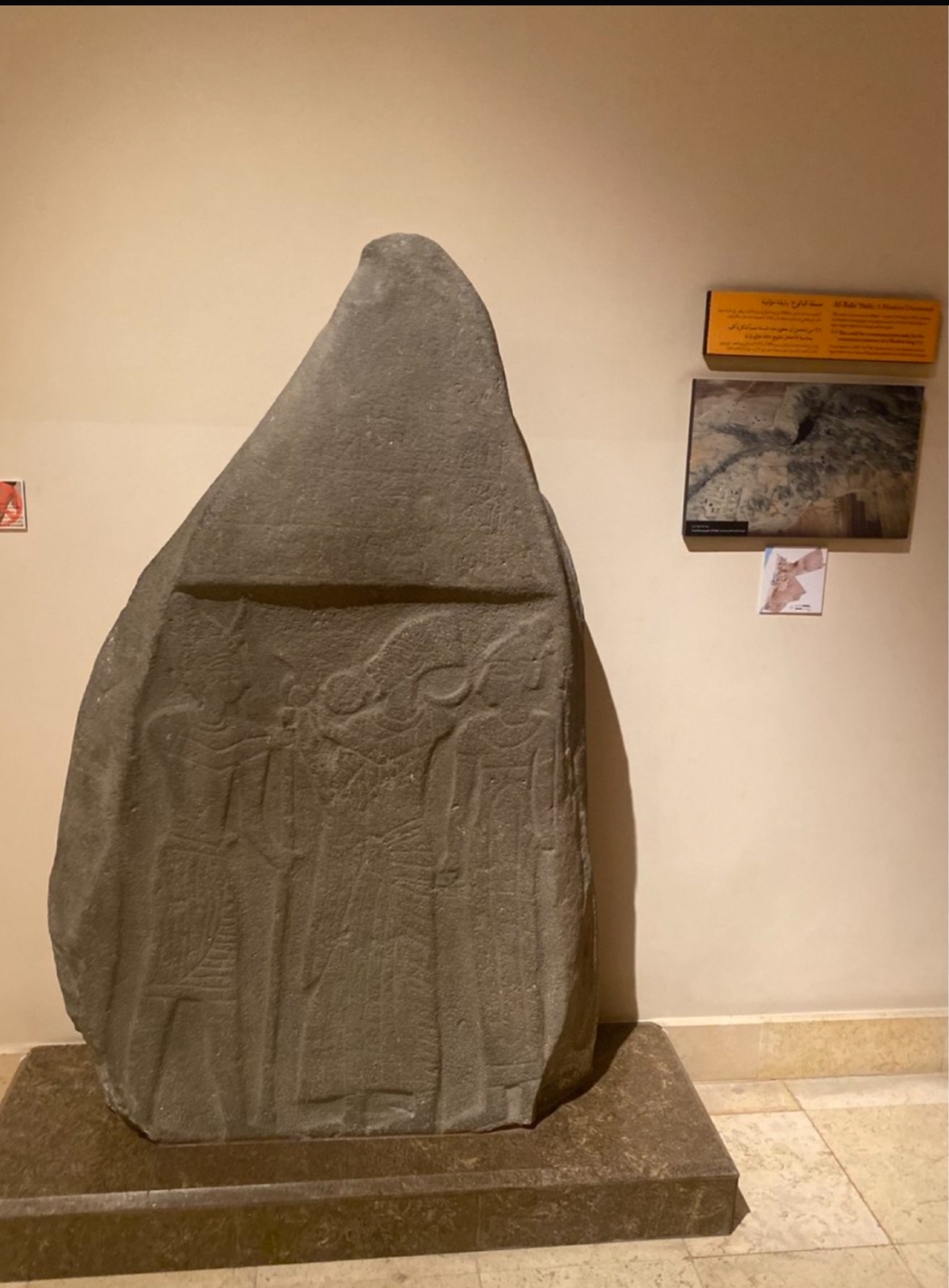
Al-Balu‘a — The Ancient Moabite City Hidden in Karak
Located in Al-Qasr District, north of Karak Governorate, Khirbet Al-Balua preserves the legacy of the ancient Kingdom of Moab. Its famous Balua Stele and historic fortifications reveal a civilization that flourished thousands of years ago, offering visitors a remarkable journey into Jordan's ancient past.
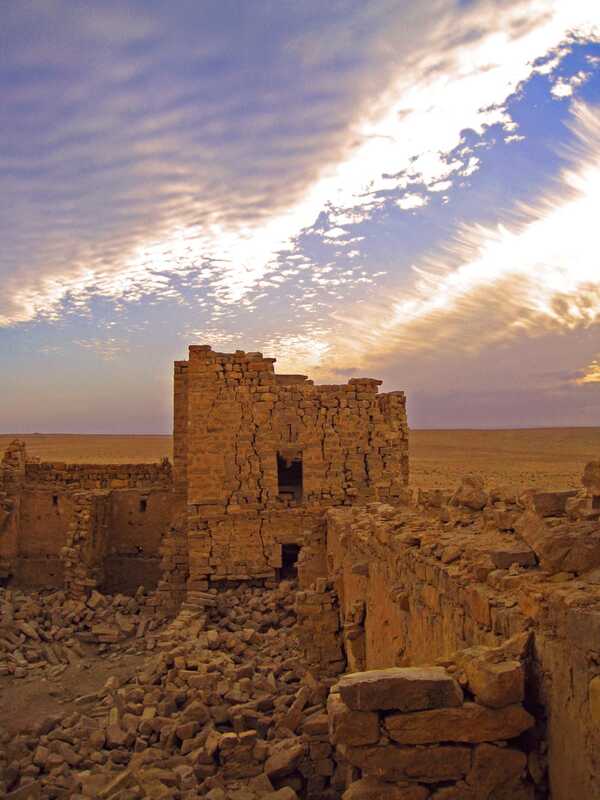
Qasr Bshir
Located in the eastern desert of Karak, Qasr Bshir is one of Jordan's best-preserved Roman forts. Built to guard desert frontiers and ancient trade routes, its imposing towers and massive walls offer visitors a remarkable glimpse into Roman military architecture.
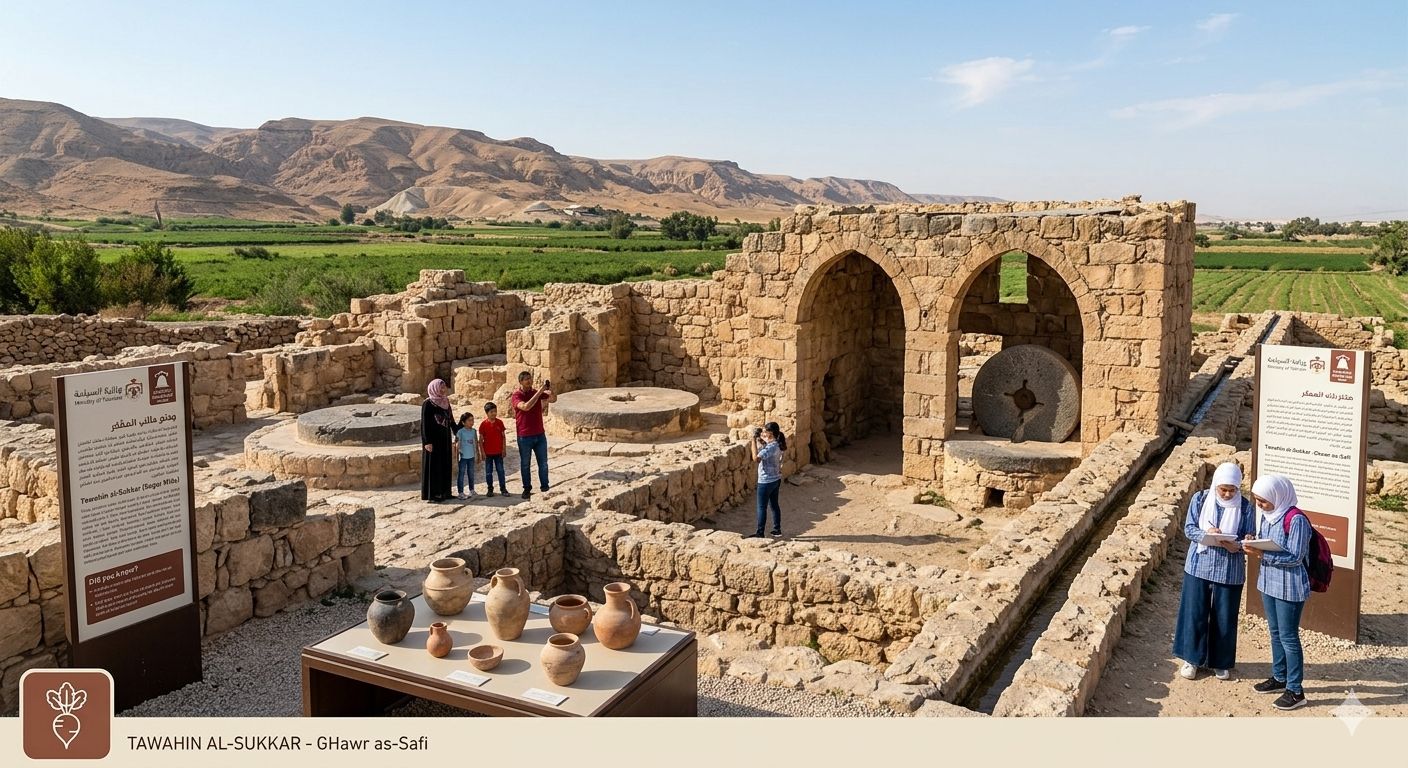
Sugar Mills
Amid the fertile landscapes of Southern Ghor, the Sugar Mills reveal a unique chapter of Karak’s history, where sugar production flourished during the Ayyubid and Mamluk periods. The remains of water channels and stone mills stand as evidence of an advanced industry built around agriculture and water management centuries ago.
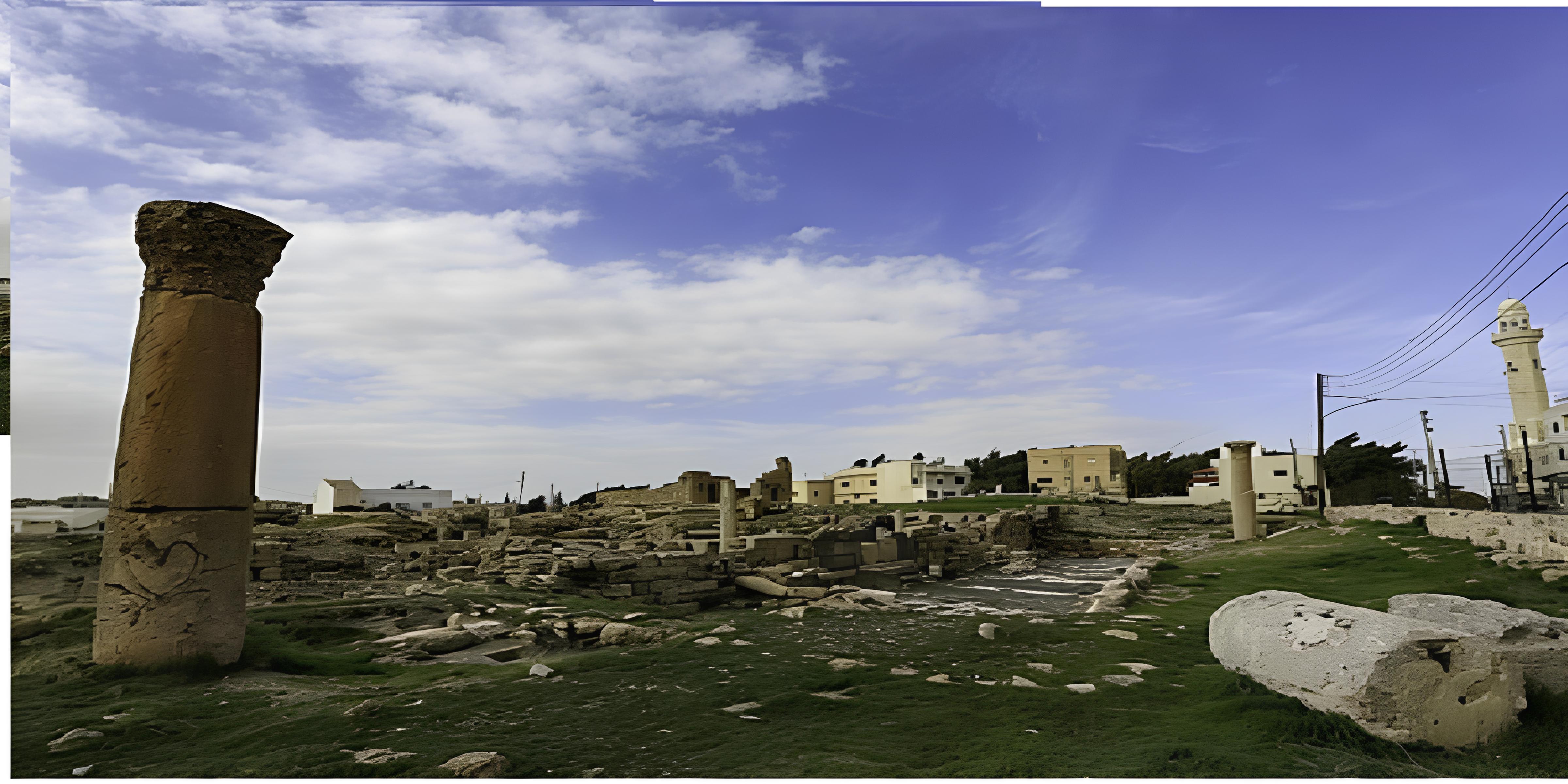
Al-Rabba
On the northern highlands of Karak, the ancient city of Rabbath Moab stands as a testament to thousands of years of civilization. From the Moabite Kingdom to Roman Areopolis and later Byzantine and Islamic periods, its remains reveal a historic city connected to ancient routes and the cultural development of southern Jordan.
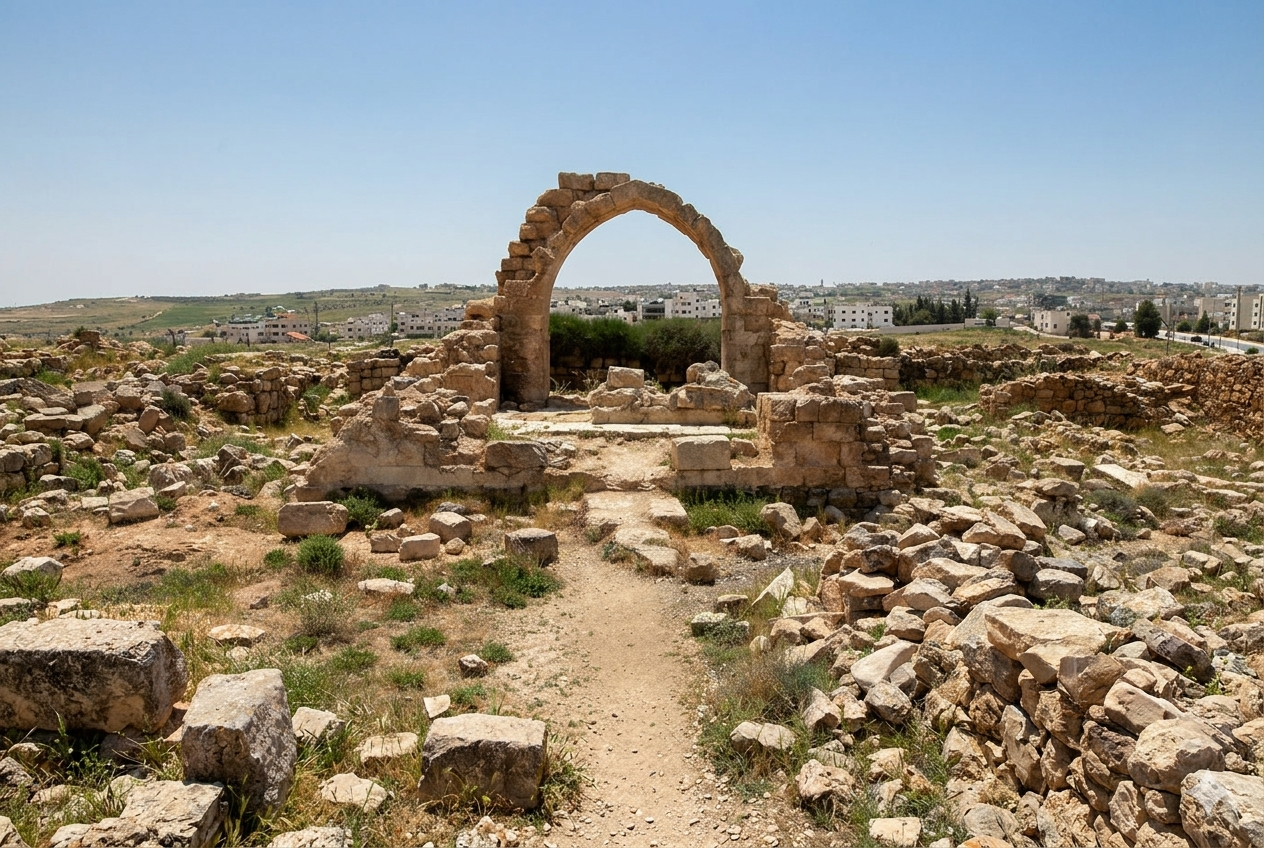
Battle of Mu’tah Site
In the land of Mu'tah in Karak Governorate, visitors encounter one of the most significant events in early Islamic history. The site is associated with the Battle of Mu'tah in 629 CE and the legacy of three prominent companions remembered for their courage, sacrifice, and devotion.
Stories from Karak
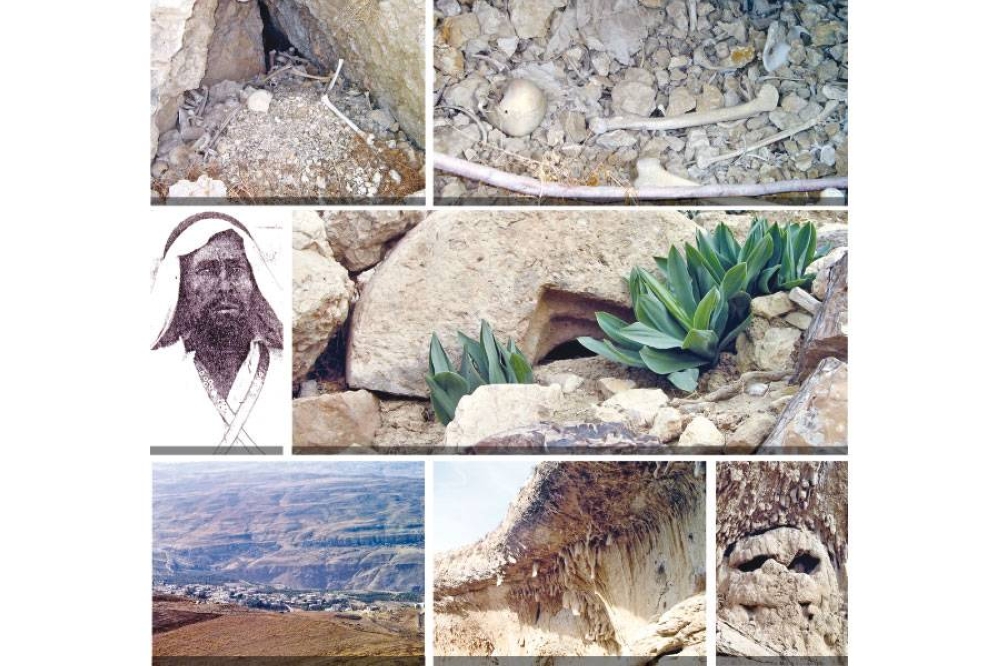
مذبحة عراق الكرك... ذاكرة المسنين
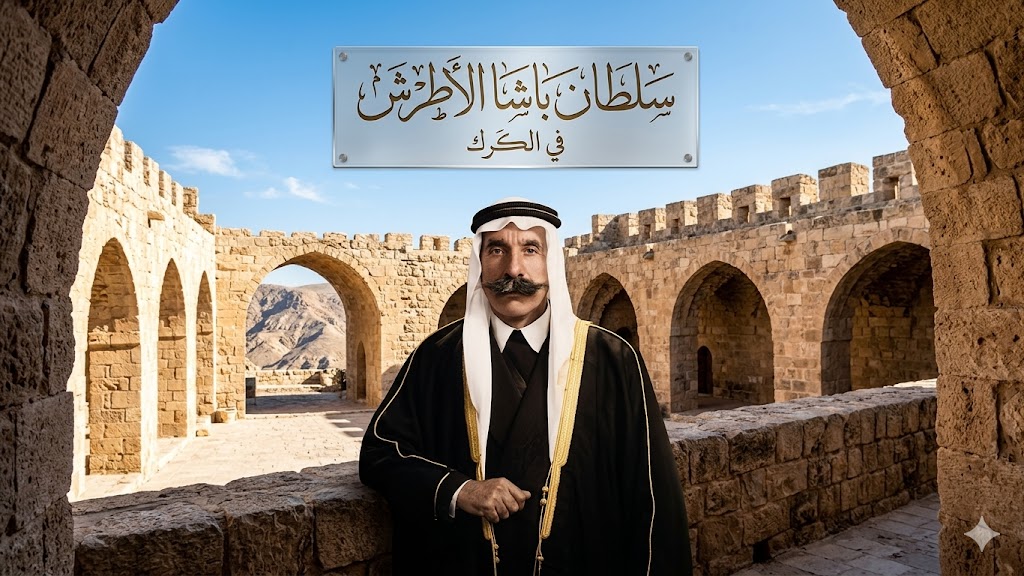
Sultan Pasha Al-Atrash in Karak: When the City Sheltered an Arab Revolutionary